Episode 6: From the Ashes of Babel | Salvation History, Pt. 2
Audio could not load. Listen on the podcast host
Show notes & references
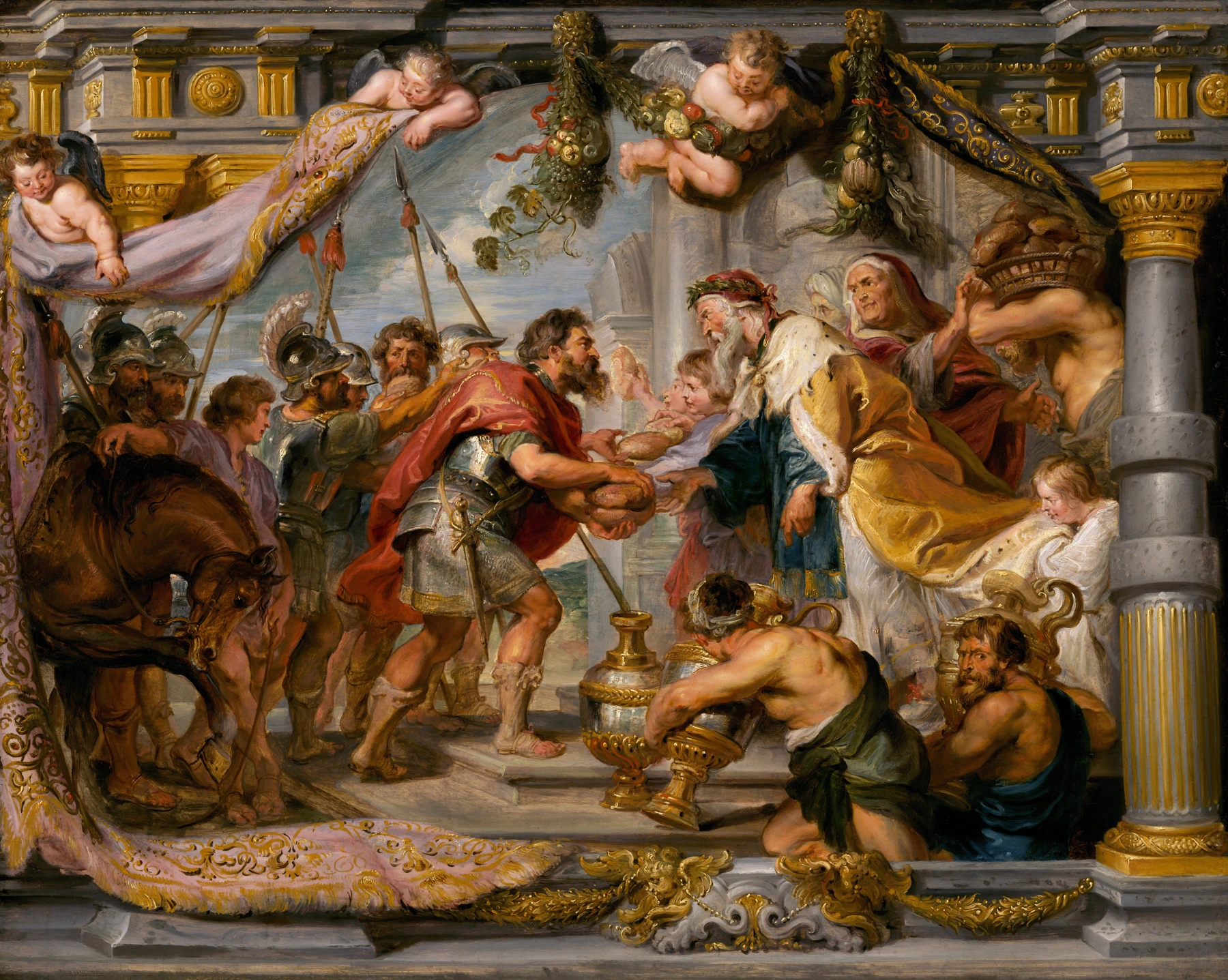
After the fall of Eden, humanity spirals into darkness, culminating in the prideful rebellion of the Tower of Babel. But out of the wreckage, God chooses one man to launch a radical plan of rescue. In this episode of Upon This Rock, we trace the journey of Abraham—the Father of Faith—and unpack the three foundational covenant promises that blueprint the rest of salvation history. Plus, we explore the mysterious figure of Melchizedek and discover how an ancient offering of bread and wine serves as an ancient Typological biblical preview of the Catholic Mass.
Resources:
Walking with God: A Journey Through the Bible by Tim Gray and Jeff Cavins.
Lectio: Eucharist with Dr. Brant Pitre video study series. Stream it directly on Formed.org.
Reflection Questions:
1. Babel and False Unity
- The transcript notes that at the Tower of Babel, sin took on a dangerous new dimension: false unity, where humanity tried to reach heaven entirely on their own terms without God. Where do we see "false unity" or worldly attempts to construct a perfect society independent of God in our modern culture? How does this differ from the true, spiritual unity found in the Catholic Church?
2. Melchizedek and the Mass
- Melchizedek is the first priest mentioned in Scripture, and his thanksgiving offering consisted of bread and wine. When you go to Mass, knowing that this exact sacrifice was prefigured thousands of years ago in Genesis 14, how does that change your perspective on the liturgy? Why do you think God dropped such a specific clue so early in human history?
3. God's "Walk of Death"
- In Genesis 15, God walks through the blood of the sacrificed animals alone, essentially telling Abram: "Even when you fail, I will absorb the curse of this broken bond." How does it affect your understanding of God's character to realize that He willingly signed up to die for humanity's future failures centuries before the Crucifixion even took place?