Episode 7: The Binding of IsaacForeshadowing Calvary on Mt. Moriah | Salvation History, Pt 3
Audio could not load. Listen on the podcast host
Show notes & references
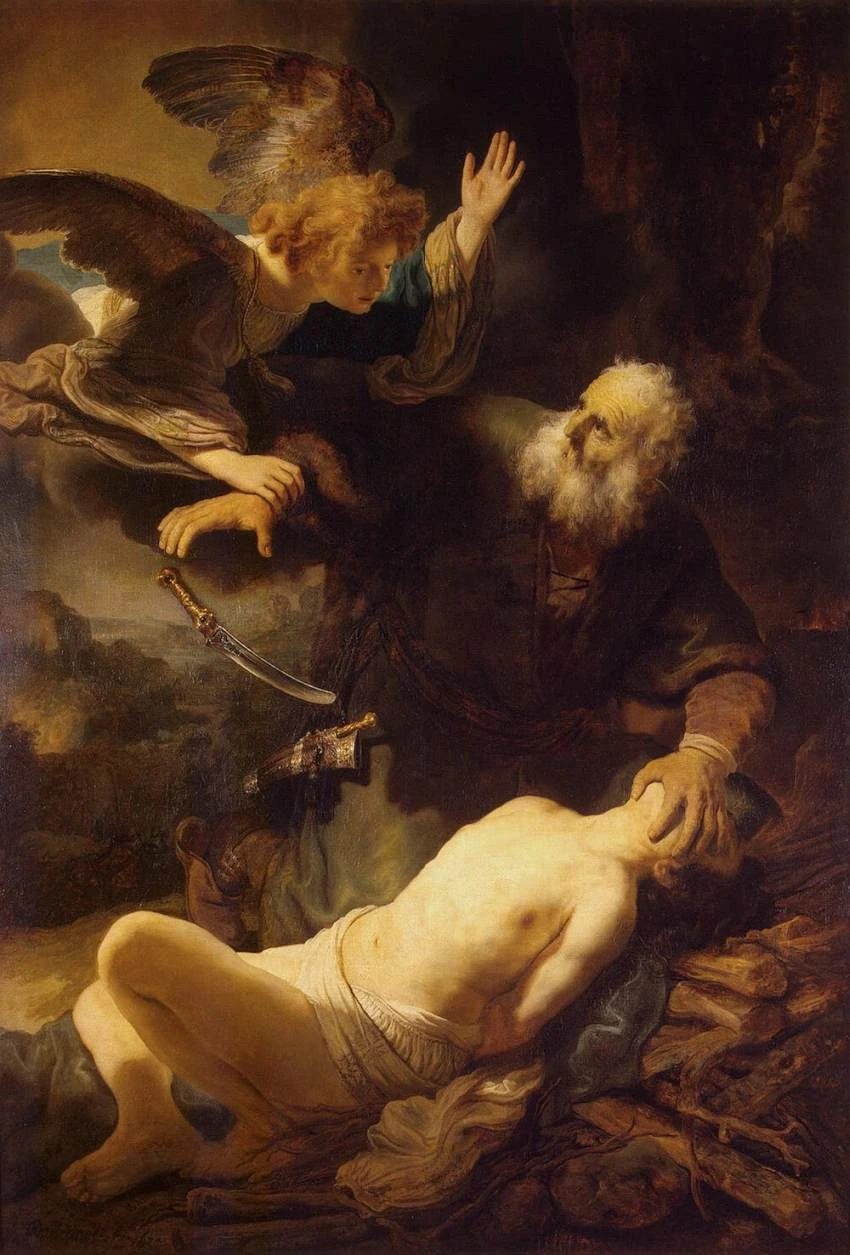
In this episode of Upon This Rock, we dive headfirst into the ultimate climax of the Abraham narrative: Genesis 22 and the binding of Isaac. Read in isolation, this passage can easily make God appear cruel and tyrannical. But when you zoom out and view it through the lens of divine typology, the entire scene transforms from a shocking test of faith into an incredible prophecy of cosmic love.Join us as we trace the "staircase of sacrifice" and unpack the hidden clues buried right beneath the surface of the text. We explore:
- How Abraham’s past sins against Ishmael tie into this call for atonement.
- The profound significance of Mount Moriah—the exact mountain ridge where Solomon built the temple and where Jerusalem stands today.
- The striking parallels between Isaac carrying the sacrificial wood and Jesus Christ carrying the Roman cross on that very same mountain ridge.
- Why Abraham's prophetic words, "God will provide himself the lamb," left a promise hanging in midair for 2,000 years.
We also wrap up with a comforting look at Abraham's beautifully flawed, human journey—reminding us that God can always work with our broken pieces if we choose to turn back to Him. Finally, we cast a gaze forward to the next major movement in salvation history: the rise of Moses and the dramatic road to the Exodus.
Resources Used in Creating this Episode
- Gray, T., & Cavins, J. (2010). Walking with God: A journey through the Bible. Ascension Press.
- Pitre, B. (n.d.). Lectio: Eucharist: Discovering the Mass in the Bible [Video series]. Formed. formed.org
Reflection Questions:
1. Isolation vs. The Big Picture
- When read in isolation, the story of Abraham being called to sacrifice Isaac can make God look cruel or tyrannical. How does viewing this event through the lens of typology transform it from a story of human sacrifice into a beautiful prophecy of God's own vulnerability and love on Calvary? How can we use this "big picture" approach when navigating other difficult passages in the Old Testament?
2. Isaac’s Wood and Christ’s Cross
- Take a moment to visualize Isaac carrying the sacrificial wood up Mount Moriah, and Jesus carrying the heavy wooden cross up the exact same mountain ridge centuries later. Isaac was spared at the last second, but Jesus was not. What does it tell us about the depth of God the Father's love for us that He required Abraham to stop, but allowed His own Son's sacrifice to be completed to keep His word?
3. The "Staircase of Sacrifice"
- We watched Abraham's relationship with God grow through a "staircase of sacrifice"—moving from sacrificing animals, to sacrificing his own physical comfort, to surrendering his absolute most precious earthly treasure. Why does God stretch our capacity to surrender over time rather than asking for everything all at once? What is the "Isaac" in your life right now—the thing or relationship that is hardest for you to hand over to God's providence?
4. Resurrection-Level Trust
- The Letter to the Hebrews notes that Abraham was able to lift the knife because he trusted that God possessed the power to raise Isaac from the dead. When we face moments where it feels like our hopes, families, or futures are being stripped away, how can we cultivate that same "resurrection-level trust" that looks past the immediate crisis and relies entirely on God's power to make things new?
5. God Working with Broken Pieces
- It is deeply comforting to remember that Abraham was a flawed sinner who messed up repeatedly before his faith finally matured into a masterpiece. How does Abraham’s bumpy spiritual journey give you optimism for your own faith life? How can we avoid the trap of spiritual discouragement when we stumble or take matters into our own hands?