Episode 5: Salvation History Begins | Salvation History, Pt. 1
Audio could not load. Listen on the podcast host
Show notes & references
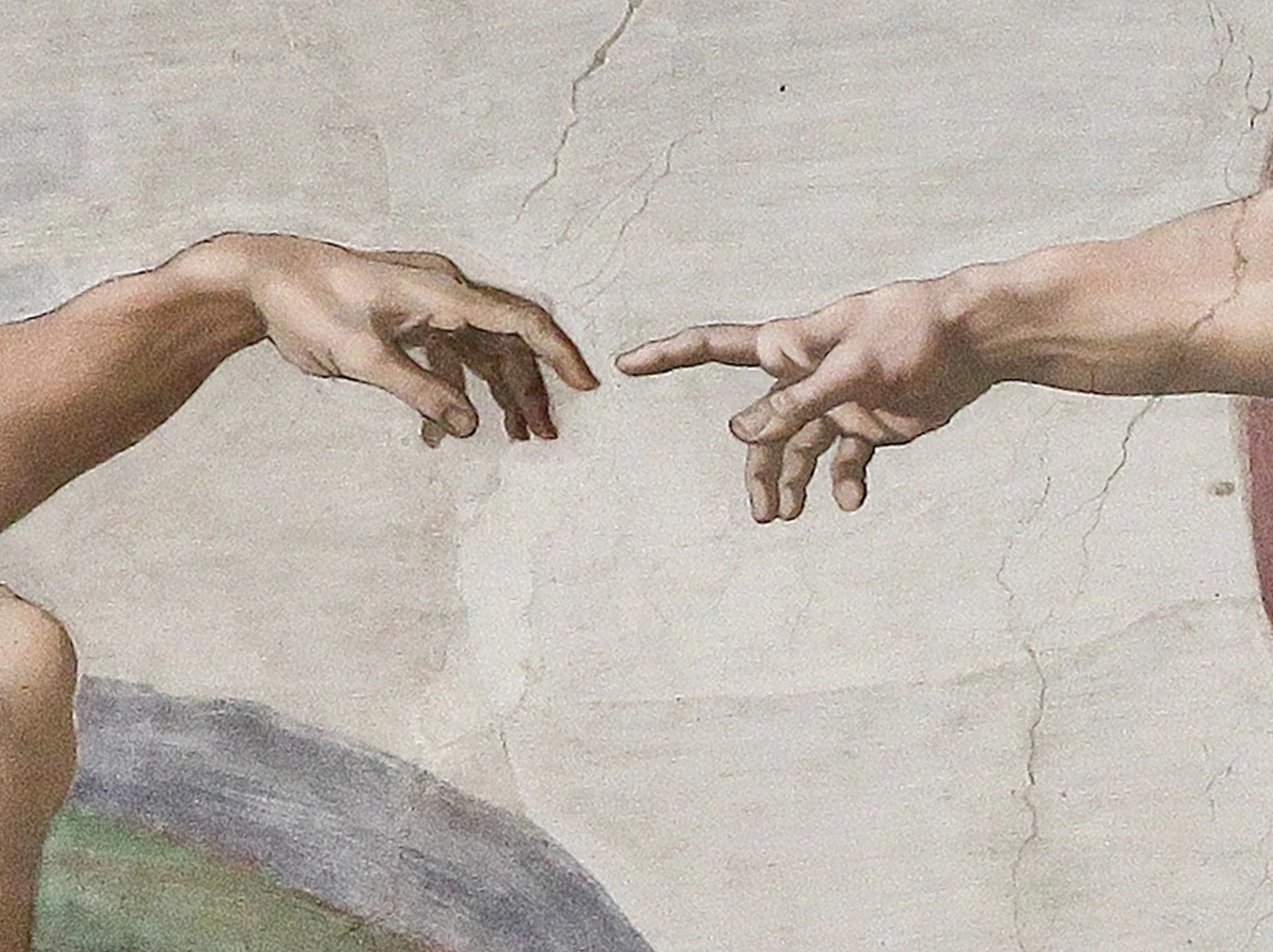
If you get the first pages of the bible wrong, you miss the plot for the rest of the biblical story. This episode not only delivers two keys that will forever change how you read the bible, but it also dives deep into the first chapters of Genesis to lay the theological groundwork for salvation history. Join Mark Langer as he unpacks what it truly means to be made in the "image and likeness" of God, how the cosmos was structurally designed as a macro temple for worship, and why the tragic spiritual death in the Garden of Eden launched a divine rescue mission that would take thousands of years to unfold.
Resources for Further Reading
Enhance your understanding of salvation history, the sacraments, and the liturgical structure of Scripture with these recommended resources that I used to create this episode:
- Walking with God: A Journey Through the Bible by Tim Gray and Jeff Cavins
- Eucharist by Bishop Robert Barron
- Jesus and the Old Testament Roots of the Priesthood by John Bergsma
- The Authority of Women in the Catholic Church by Monica Migliorino Miller
Reflection Questions:
1. On Our Divine Identity & Purpose
- In the ancient world, being made in someone's "image and likeness" meant sonship and family. How does your daily faith change if you look at God primarily as a loving Father building a family rather than a divine ruler enforcing a rule book?
- We discussed the concept of Homo liturgicus—that human beings are hardwired to worship. If someone isn't practicing a religious faith, what kind of modern "temples," "gods," or secular rituals do people tend to fill that space with?
2. Covenants vs. Contracts
- Contracts say "this is yours, that is mine," while covenants say "I am yours, and you are mine." What are some practical examples of how we treat our relationship with God like a transactional business contract? How can we shift our prayer or mindset into a true covenant relationship?
3. The Mercy of the "Long Way Around"
- God waited thousands of years to send Jesus to build up human vocabulary, establish Roman roads, and prepare a pure Mother. When we pray for something, God often takes us "the long way around" too. Can you think of a time in your own life when God made you wait, and only later did you realize He was actually preparing or protecting you?